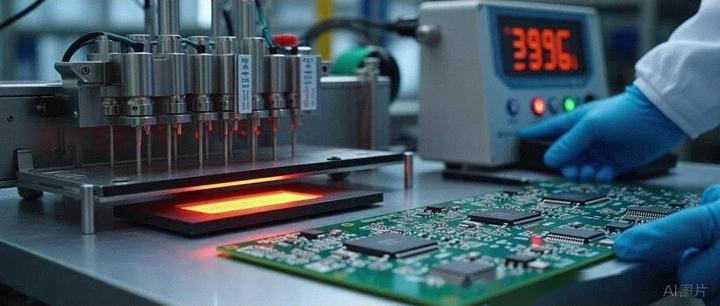
There is no fixed number for how many times a PCB can withstand reflow/oven passes—it depends on multiple factors.
●Single-sided SMT: usually 1 reflow
●Double-sided SMT: usually 2 reflows
●Double-sided SMT + through-hole (wave soldering): typically 3 passes total (2 reflow + 1 wave)
No strict limit, but more passes = higher risk.
●Material Tg (ordinary FR4 130–150°C, mid 150–170°C, high ≥170–180°C)
●Solder type (lead-free peak 245–260°C → much higher stress than leaded)
●Process type: reflow (milder), wave (severe shock), localized hot air (least impact on whole board)
●Actual peak temp, dwell time, ramp rates
●Board design (thickness, layers, heavy copper, blind/buried vias)
●Surface finish (ENIG, OSP, HASL behave differently after multiple heat cycles)
●High-Tg (≥170°C) FR4, well-controlled lead-free reflow: often safe for 5–10 full reflow cycles (production + rework)
●Standard Tg (135–150°C): risk rises sharply after 3–5 full reflows
●Wave soldering: withstands far fewer passes than reflow due to intense shock
●Localized hot-air rework: usually much higher cycle tolerance, but repeated heating in same area still risky
No universal number. Judge based on material grade, process conditions, thermal history, rework method, and post-pass inspection (solder mask damage, delamination, pad lift, warpage, barrel cracks, burnt smell, etc.).
For high-reliability products, strictly limit full-board oven passes and prefer localized rework. Always assess risk before and inspect thoroughly after each pass. Exceeding limits risks immediate failure or long-term reliability issues.



VERIFIED BY

SOCIAL MEDIA


